
Essential Mental Health Tips for Everyone
Summary
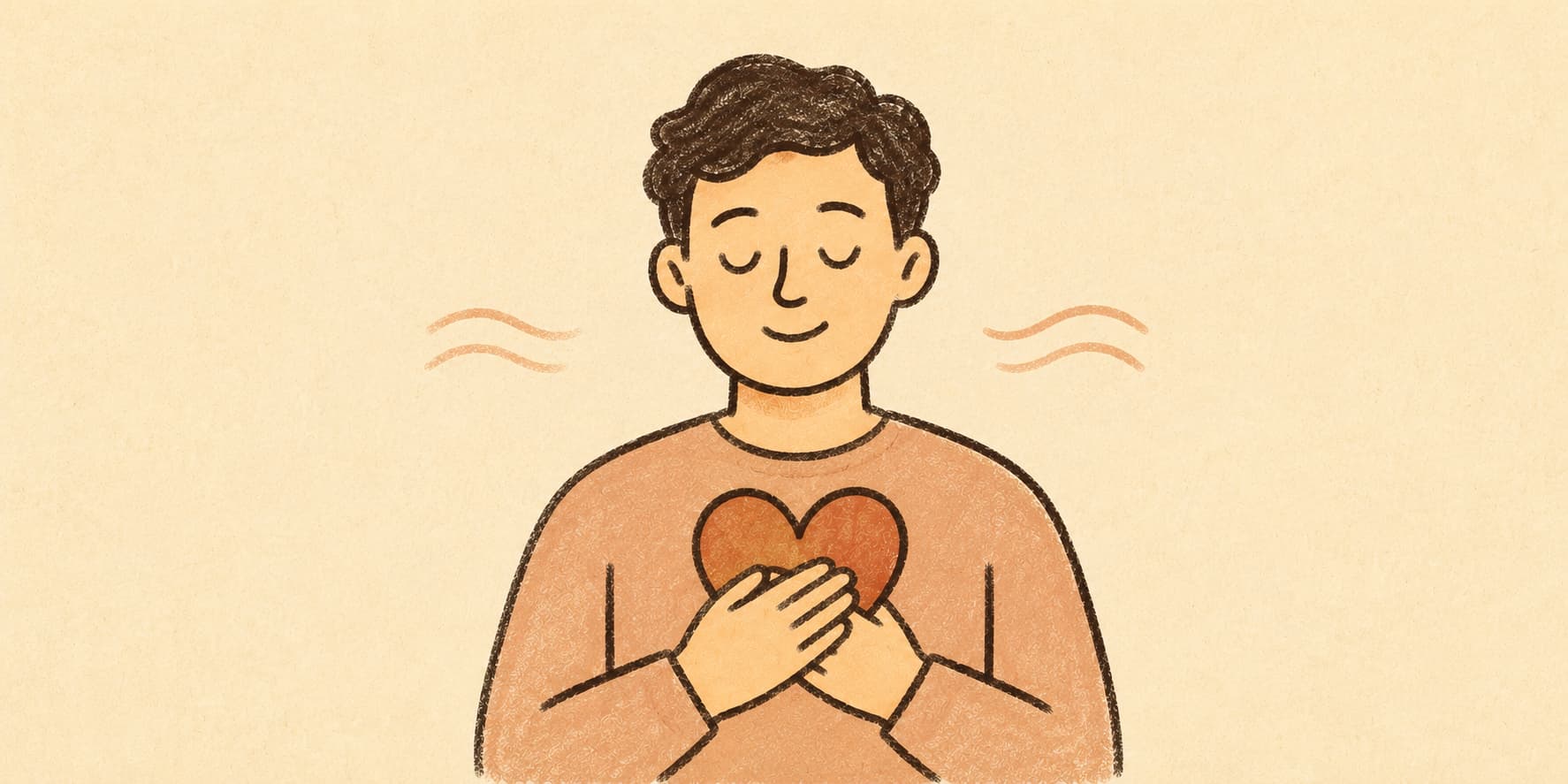
Mental health tips do not have to be complicated to be helpful. Small daily habits like better sleep, movement, mindfulness, self-care, emotional awareness, and supportive relationships can help you care for your mental and emotional health over time. This guide shares simple, realistic ways to support good mental health, reduce stress, and build more emotional resilience in everyday life.
What Are Mental Health Tips?
Mental health tips are practical habits that support emotional well-being, stress management, resilience, and overall mental wellness. Common examples include getting enough sleep, staying physically active, practicing mindfulness, building supportive relationships, and making time for self-care.
Mental health affects how we think, feel, handle stress, make decisions, and connect with others. While everyone’s experience is different, small daily habits can play an important role in supporting long-term mental and emotional health.
This guide explores practical mental health tips, mindfulness techniques, self-care practices, stress relief strategies, and mental health resources that can help you feel more balanced, resilient, and supported in everyday life.
What Does Mental Health Mean?
Mental health includes your emotional, psychological, and social well-being. It affects how you handle stress, make decisions, relate to others, and move through daily life.
Good mental health does not mean feeling happy all the time. It means having the tools, support, and self-awareness to manage hard moments, recover from stress, and stay connected to what matters to you.
Mental and emotional health are closely connected, but they are not exactly the same.
Understanding the meaning of mental and emotional health can help you recognize how your thoughts, emotions, behaviors, and relationships all contribute to overall well-being.
What Is Mental and Emotional Health?
Mental and emotional health are interconnected, yet distinct, aspects of our well-being. Understanding the meaning of mental and emotional health can greatly enhance your life quality.
Mental health refers to cognitive function and how we process information. It's about thoughts, decision-making, and learning. In short, if you're wondering what does mental health mean, it's about how we handle stress and relate to others.
Emotional health focuses on our feelings and how we express them. It involves recognizing, managing, and accepting emotions, whether they are positive or negative.
Together, mental and emotional health form the backbone of our psychological well-being. Achieving mental emotional balance helps us cope with life's ups and downs. Striking a balance is crucial for a healthy mind.
To better understand these concepts, consider the following points:
- Self-awareness: Being in tune with your thoughts and emotions.
- Adaptability: Adjusting to changes and challenges effectively.
- Resilience: Bouncing back from setbacks.
Understanding mental and emotional health can lead to better self-care. It can help you to identify areas for personal growth. Engaging with resources like therapy or support groups can offer insights and solutions. These steps support mental health healing over time.
Investing time in understanding yourself is never wasted. It opens pathways to improved relationships and self-confidence. It also fosters a deeper connection with the world around you. These psychological matters touch relationships, work, and community life.
Our mental and emotional health influences our daily lives. Maintaining this balance is an ongoing journey. Pursuing knowledge and support can provide a sturdy foundation for your life's path.
Why Is Mental Health Important?
Mental health is important because it shapes nearly every part of life. It affects your relationships, energy, motivation, sleep, work, creativity, physical health, and ability to cope with change.
When mental health is supported, it can be easier to:
- make clear decisions
- manage stress
- stay connected to others
- maintain healthy routines
- recover after setbacks
- notice when you need help
Good mental health is vital for maintaining productive and meaningful relationships. It allows us to engage more fully with those we care about. These connections enhance life satisfaction and encourage positive interactions.
Mental health is also important for communities. When people feel supported, they are more likely to ask for help, support others, and reduce stigma around emotional struggles.
Understanding the importance of mental health leads to more informed choices. It encourages a proactive approach to self-care and support. By recognizing its vital role, you ensure your well-being and life quality.
What Does It Mean to Be Mentally Healthy?
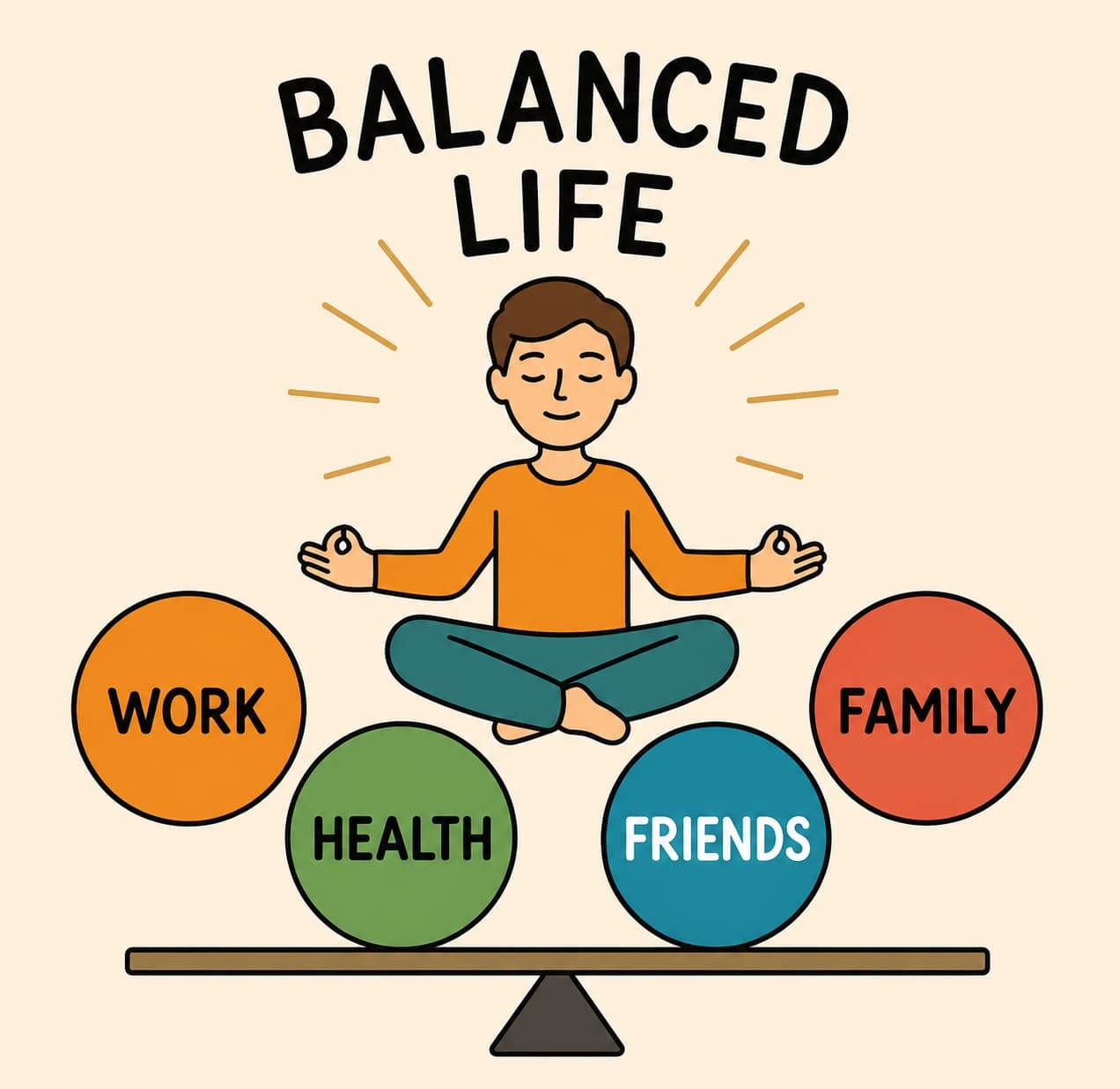
A mentally healthy person can manage stress, regulate emotions, maintain relationships, adapt to change, and function effectively in daily life. Mental health is not the absence of challenges. It is the ability to navigate them in healthy and productive ways.
Mental health includes emotional health, which is about managing feelings and behaviors. Being able to express emotions appropriately and adapt to change defines a strong emotional foundation.
Key aspects of mental health include:
- Emotional regulation: Understanding and managing feelings.
- Resilience: Adapting well during adversity or stress.
- Balance: Allocating time for work, relationships, and relaxation.
Being mentally healthy also means recognizing when to seek help or support. It involves understanding that life does not always go smoothly and being prepared to tackle obstacles calmly.
Ultimately, mental health is about living your life in a way that feels aligned with your values. It's your journey towards achieving well-being in a balanced, positive manner. Embracing this state of mind helps you navigate life's ups and downs with greater assurance.

Developing these habits can lead to stronger emotional health. Remember, your journey toward stability and resilience is unique and worth celebrating.
What Are Some Self-Care Practices for Positive Mental Health?
Self-care is an important part of maintaining positive mental health and a positive mental attitude. It involves making time for activities that help you recharge, manage stress, and support emotional well-being.
Simple self-care practices include:
- Taking breaks from screens (digital detox)
- Spending time in nature
- Reading, learning, or enjoying creative hobbies
- Practicing deep breathing or following a progressive muscle relaxation script
- Setting healthy boundaries and protecting your time
- Keeping a gratitude journal
- Connecting with supportive friends and family
The goal of self-care is not perfection. It is creating regular opportunities to rest, recover, and reconnect with what helps you feel balanced. Small self-care practices repeated consistently can strengthen resilience, support emotional wellness, and make everyday stress easier to manage.
Mindfulness Techniques and Stress Relief Strategies
Mindfulness helps you notice what is happening in the present moment without immediately reacting to it. It can support stress relief, emotional regulation, self-awareness, and overall mental well-being.
One of the benefits of mindfulness is that it does not require a lot of time. Even a few minutes of focused attention can help calm racing thoughts and bring your attention back to the present moment.
Common mindfulness techniques include:
- Deep breathing
- Meditation
- Body scan meditation
- Mindful walking
- Guided imagery
- Journaling
- Progressive muscle relaxation
A simple starting point is to pause for a moment and ask yourself:
- What am I feeling right now?
- What does my body need?
- What is one small thing I can do next?
Stress relief strategies work best when they are simple enough to use consistently. If you feel overwhelmed, try one of the following:
- Take five slow breaths
- Step outside for fresh air
- Write down what is bothering you
- Stretch your neck and shoulders
- Listen to calming audio
- Take a short walk
- Practice progressive muscle relaxation
Guided imagery can be especially helpful during stressful periods. By imagining calming scenes or positive experiences in detail, you can help shift your attention away from stress and create a greater sense of calm.
It can also be helpful to look at the source of stress itself. Simplifying your schedule, creating healthier boundaries, and reducing unnecessary commitments may help lower stress levels over time.
These practices do not eliminate stress completely, but they can help your mind and body move out of high-alert mode and respond more effectively to everyday challenges.
Signs Your Mental Health May Need More Support
Your mental health naturally changes over time. However, ongoing symptoms may indicate that additional support could be helpful.
Common signs include:
- persistent stress or anxiety
- changes in sleep
- difficulty concentrating
- feeling overwhelmed
- loss of motivation
- withdrawing from friends and family
- increased irritability
- feeling emotionally exhausted
If symptoms interfere with daily life, consider speaking with a qualified mental health professional.
How Can I Improve My Mental Health?
If you’re wondering how you can improve your mental health, focus on the basics first. Consistent sleep, regular movement, supportive relationships, stress management, and mindfulness practices can all contribute to better emotional well-being over time. Small daily habits are often more effective than trying to change everything at once.
Because chronic stress can affect sleep, emotional balance, energy, and resilience, some individuals also explore lifestyle-based approaches for a cortisol detox to help support long-term nervous system regulation.
Mental Health Tips for Working from Home
Working from home can be convenient, but it can also blur the line between work and rest. Without boundaries, your brain may feel like it is always “on.”
Helpful mental health tips for working from home include:
- create a dedicated workspace if possible
- start and end work at consistent times
- take short movement breaks
- keep meals away from your desk when you can
- step outside during the day
- check in with coworkers or friends
- shut your laptop when the workday ends
A small transition ritual can help. Try taking a short walk, changing clothes, or listening to calming music after work. This signals to your mind that the workday is complete.
By implementing these strategies, you can foster a healthier work-from-home experience, ensuring your mental health remains a priority even outside traditional workplaces.
Everyday Mental Health Habits vs. Quick Fixes
Not every wellness habit supports long-term mental health. Some things provide short relief but do not address the deeper pattern.

How to Improve Mental Health: Simple Daily Tips
Improving mental health often starts with a few foundational habits that support emotional regulation, resilience, stress management, and overall well-being. While there is no single solution that works for everyone, sleep, movement, mindfulness, supportive relationships, and self-care consistently play important roles in mental wellness.
Here are steps to boost your mental health:
Step 1: Prioritize Sleep
Sleep strongly affects emotional regulation, focus, stress tolerance, and mental clarity. When sleep is poor, everyday challenges often feel harder to manage.
Simple ways to improve sleep include:
- Keeping a consistent bedtime
- Limiting screen time before bed
- Creating a calming evening routine
- Reducing caffeine later in the day
Even small improvements in sleep can have a meaningful impact on mood and emotional resilience.
Step 2: Move Your Body Regularly
Physical activity supports mood, stress reduction, and nervous system regulation. Regular movement may also help reduce symptoms of anxiety and improve overall emotional well-being.
You do not need intense workouts to benefit. Walking, yoga, cycling, stretching, dancing, and strength training can all support mental wellness.
Step 3: Practice Mindfulness Techniques
Mindfulness techniques help reduce emotional overwhelm, improve emotional awareness, and support healthier responses to stress.
Examples include:
- Deep breathing
- Meditation
- Guided imagery
- Progressive muscle relaxation
- Mindful walking
- Journaling
Many people use guided visualization and calming audio experiences like Limitless to make mindfulness practices feel easier to maintain consistently, especially during stressful periods or emotionally overwhelming days.
Step 4: Build Supportive Relationships
Strong social connections are one of the most important factors associated with emotional resilience and mental well-being.
Supportive relationships can help you:
- Feel less isolated
- Process difficult emotions
- Gain perspective during stressful periods
- Build resilience during challenges
You do not need a large social network. Even a few trusted relationships can make a meaningful difference.
Step 5: Reduce Overstimulation
Constant notifications, excessive screen time, information overload, and nonstop demands can keep the nervous system in a heightened state of stress.
Creating small moments of quiet throughout the day can help support emotional balance. Consider taking short breaks from screens, spending time outdoors, limiting notifications, or setting aside time for reflection and recovery.
Step 6: Create Daily Self-Care Practices
Self-care is not about perfection. It is about regularly creating opportunities for recovery, reflection, and emotional support.
Helpful self-care practices may include:
- Journaling
- Reading
- Nature walks
- Relaxation exercises
- Creative hobbies
- Gratitude practices
- Breathwork
- Guided visualization sessions
Small self-care practices repeated consistently often have a greater impact than occasional large efforts.
Finally, don't hesitate to seek professional help when needed. Therapists offer guidance and support tailored to your personal needs. Mental health improvement is ongoing, requiring attention and care. Implement these strategies to enhance your journey to a more fulfilled and balanced life. These steps answer the common question: how can i improve my mental health.

How Can You Prevent Mental Health Problems?
You cannot prevent every mental health challenge, and struggling is not a personal failure. But mental health prevention can help you notice stress earlier and build support before things feel overwhelming.
Helpful prevention habits include:
- paying attention to early warning signs
- keeping regular sleep and meal routines
- talking about stress before it builds
- learning coping skills
- taking breaks from constant stimulation
- staying connected to others
- seeking professional support early
Early support matters. It is often easier to care for your mental health before burnout, anxiety, or emotional exhaustion becomes severe.
Social support acts as a buffer against mental health challenges. Stay connected with friends or join groups with shared interests.
Using Online Courses and Mobile Apps for Mental and Emotional Health
Online courses and mobile apps can make mental health support more accessible, flexible, and easier to practice consistently in everyday life.
Many online mental wellness courses focus on skills like:
- Mindfulness and stress reduction
- Emotional resilience
- Nervous system regulation
- Healthier self-talk and coping patterns
While digital tools are not a replacement for professional care, they can become meaningful supports that help reinforce healthier mental wellness habits over time.
How Can Limitless Support Daily Mental Wellness?
Mental health is often strengthened through small habits practiced consistently over time. While sleep, movement, supportive relationships, and professional care all play important roles, many people find it helpful to have simple tools they can return to throughout the day.
Limitless Guided Visualizations was created to help support mindfulness, emotional resilience, stress management, and nervous system regulation through guided audio experiences and educational courses.
Many people use Limitless to:
- Create calming morning or evening routines
- Practice mindfulness in a more structured way
- Reduce feelings of stress and overwhelm
- Build healthier self-talk patterns
- Support emotional regulation during difficult periods
- Strengthen daily mental wellness habits
Short Mindset Microdoses can provide quick mindset training and mental resets during busy days, while longer Journey experiences create space for deeper reflection, relaxation, and self-awareness.
For those who want to better understand stress, emotional resilience, and nervous system regulation, Limitless Learn courses like Calm Your Baseline offer practical tools that can be applied in everyday life.
Mental wellness is not built through one perfect habit or one breakthrough moment. It is often the result of small actions repeated consistently. Limitless was designed to help make those actions feel more accessible, approachable, and sustainable.
How Can You Support Someone Else’s Mental Health?
Supporting someone else’s mental health does not mean fixing their problems. Often, the most helpful thing is to listen with care and avoid judgment.
You can support someone by:
- checking in regularly
- asking how they really are
- listening without rushing to advice
- sharing mental health resources
- encouraging professional support when needed
- reminding them they are not alone
Simple mental health awareness tips include checking in on friends regularly, sharing trusted mental health resources, encouraging people to seek support when needed, and helping normalize conversations about emotional well-being.
Mental health awareness starts with normal conversations. When people feel safe talking about stress, anxiety, grief, or burnout, it becomes easier to ask for help.
Final Thoughts on Mental Health Tips
Mental health tips are most powerful when they are simple enough to use in real life. You do not need a perfect routine. You need steady, compassionate practices that help you feel more supported.
Start with one small habit. Get a little more sleep. Take a short walk. Breathe before reacting. Reach out to someone safe. Use tools that help you come back to yourself.
Your mental health is not something you have to fix all at once. It is something you can care for, one day and one choice at a time.
Limitless Guided Visualizations can support that process by helping you build daily moments of calm, reflection, and emotional grounding.
Educational Disclaimer
This article is for educational purposes only and is not medical advice. It is not intended to diagnose, treat, cure, or prevent any mental health condition. If you are experiencing ongoing distress, worsening symptoms, or thoughts of self-harm, contact a qualified mental health professional or emergency support service right away.
Frequently Asked Questions About Mental Health Tips
The best mental health tips for beginners are simple habits you can repeat. Start with sleep, movement, hydration, social connection, and short mindfulness practices. These basics support emotional regulation and help create a stronger foundation for mental wellness.
Mental health refers to your emotional, psychological, and social well-being. It affects how you think, feel, handle stress, make decisions, and relate to other people. Good mental health supports daily functioning, relationships, resilience, and quality of life.
Mental health is the broader term for how you think, function, cope, and connect. Emotional health focuses more specifically on how you understand, express, and regulate feelings. Both are connected and both affect your overall well-being.
Mental health is important because it affects your thoughts, emotions, relationships, work, physical health, and ability to manage stress. When mental health is supported, it becomes easier to make decisions, connect with others, and recover from challenges.
Good mental health often includes the ability to manage stress, maintain relationships, regulate emotions, and adapt to change. A mentally healthy person may still experience difficult emotions, but they can usually recover, seek support when needed, and continue functioning in daily life.
Signs of good mental health include emotional awareness, resilience, healthy relationships, the ability to manage stress, and knowing when to ask for help. Good mental health does not mean never struggling. It means having support and coping tools when challenges arise.
Daily mental and emotional health care can include getting enough sleep, moving your body, eating balanced meals, staying connected to supportive people, and practicing stress management techniques like mindfulness or deep breathing. Small habits practiced consistently often have the biggest long-term impact.
Mental and physical health are closely connected. Chronic stress, anxiety, and emotional overwhelm can affect sleep, energy, immune function, and overall wellness. Supporting mental health may help improve focus, motivation, and healthy lifestyle habits over time.
Natural stress relief strategies include mindfulness meditation, journaling, walking outdoors, progressive muscle relaxation, guided imagery, breathing exercises, and reducing overstimulation from screens or constant notifications. Even a few minutes of intentional relaxation each day can help calm the nervous system.
Yes, mindfulness practices can help improve mental wellness by increasing self-awareness, reducing stress, and helping people stay more present instead of overwhelmed by racing thoughts. Many people use mindfulness to support emotional regulation and resilience during stressful periods.
Supportive relationships can help reduce feelings of isolation and provide emotional reassurance during difficult times. Friends, family members, therapists, support groups, and online mental health communities can all play a role in maintaining emotional well-being and resilience.
The best mental health tools are the ones you can use consistently. Many people benefit from guided mindfulness apps, journaling tools, breathing exercises, or mindset-focused audio experiences like Limitless Guided Visualizations, which combines guided imagery, nervous system support, and emotional resilience practices into everyday routines.
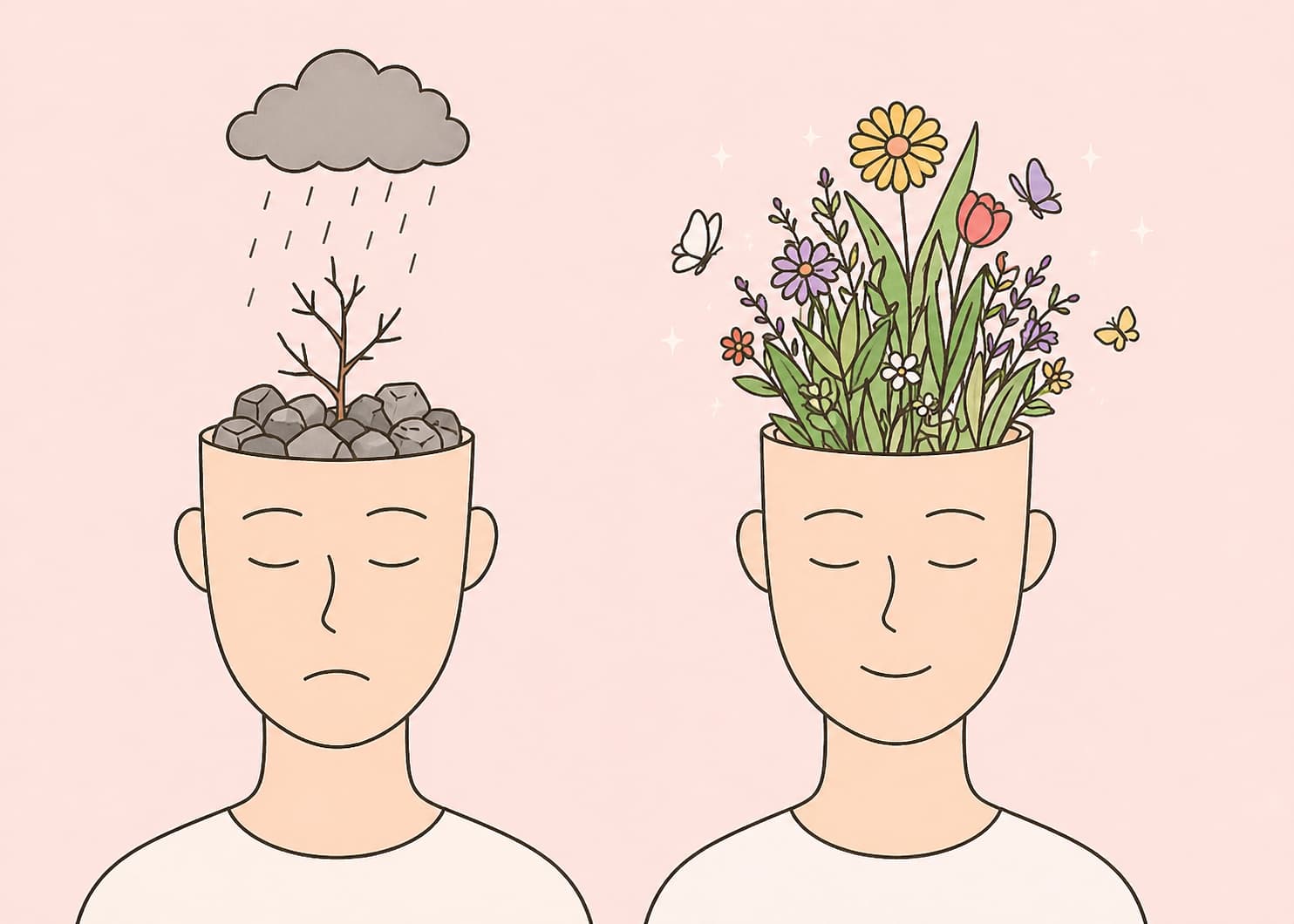
A growth mindset is the belief that your abilities can improve through effort, learning, and persistence. Instead of avoiding challenges, you learn to embrace them as opportunities for growth.
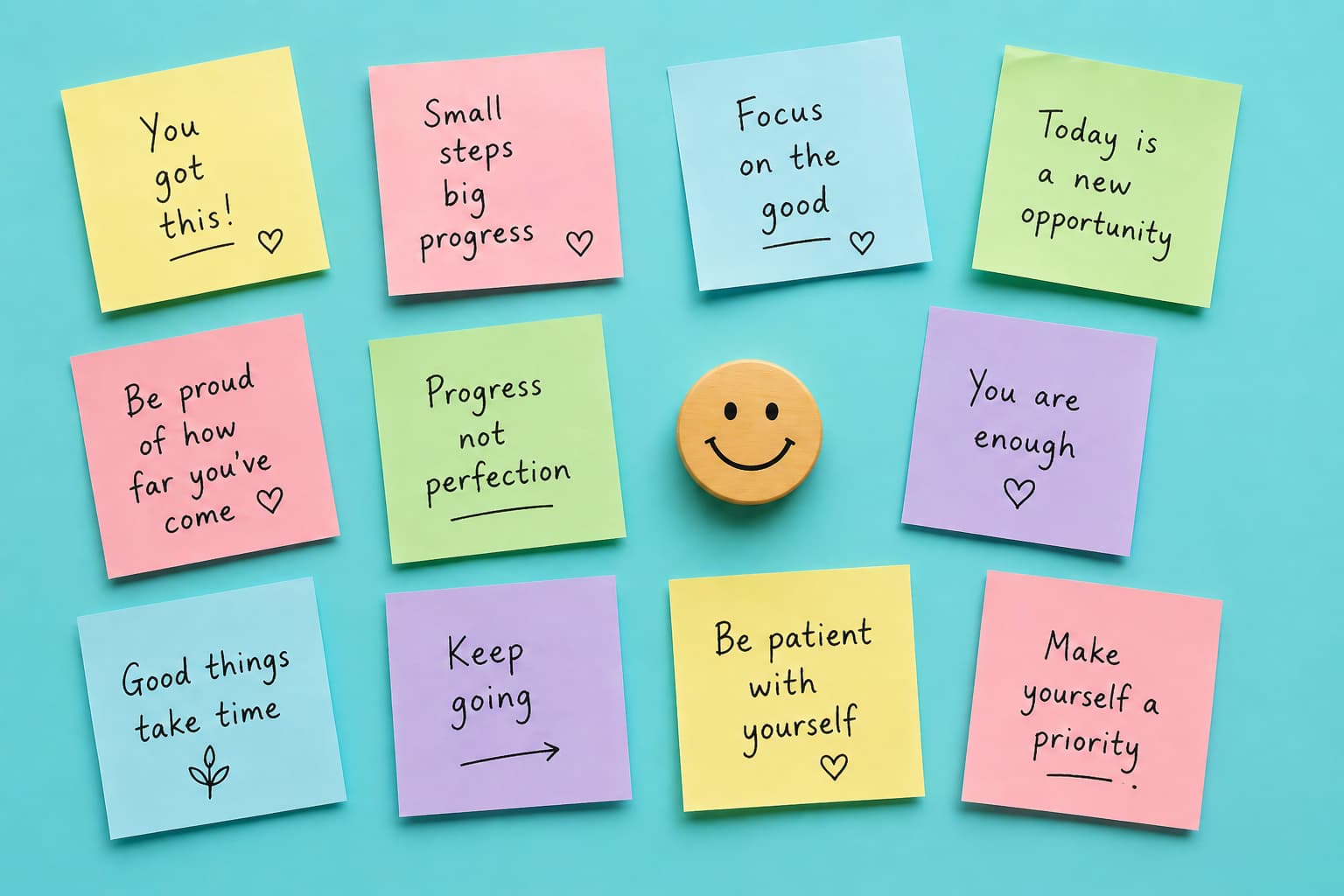
A positive mental attitude isn’t about forcing happiness, it’s about learning how to shift your mindset, build resilience, and respond to challenges with more clarity. Through small daily habits like gratitude, mindfulness, and reframing negative thoughts, you can create lasting changes in how you think, feel, and show up in your life.

Discover five simple, neuroscience-backed habits to help rewire your brain for better focus, mood, and resilience.

Cognitive harm reduction is a vital approach to managing the negative impacts of stress and anxiety on cognitive health. The Limitless Guided Visualizations app provides accessible, natural tools to reduce mental strain, improve emotional regulation, and enhance cognitive function, helping you achieve better mental well-being.

Master your metacognition with the Metacognitive Healing Methodology™ to transform your internal dialogue. Use the Limitless Guided Visualizations app to practice daily and create lasting changes in your mindset.


Learn the difference between meditation vs. metacognition and how blending the two can support deeper mindset transformation through the Limitless app.

Metacognition helps you improve your thinking by observing and regulating your thoughts, supporting better mental clarity, emotional regulation, and resilience. The Limitless app, using the MHM, offers guided visualizations to strengthen these skills and support your cognitive health.